Arizona – Antelope Canyon
Jan 28
Arizona, USA Nature Photography No Comments
Nov 30
Argentina Landscape, National Park, Nature Photography 5 Comments
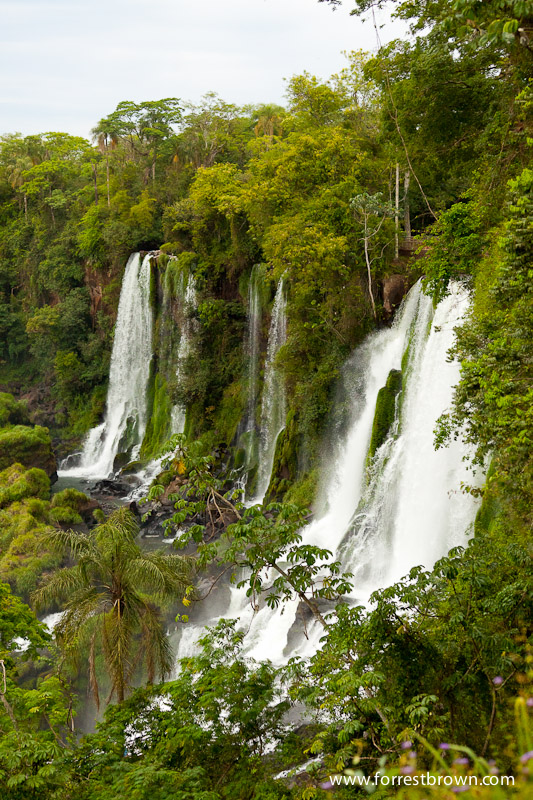
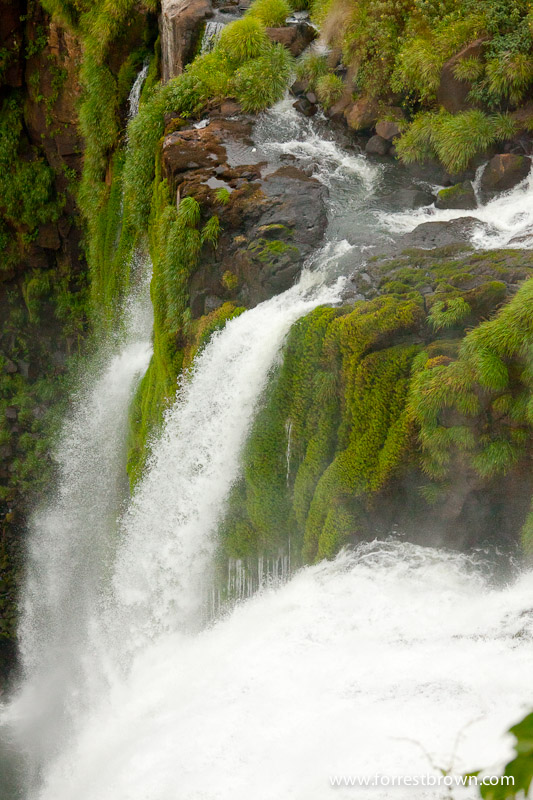
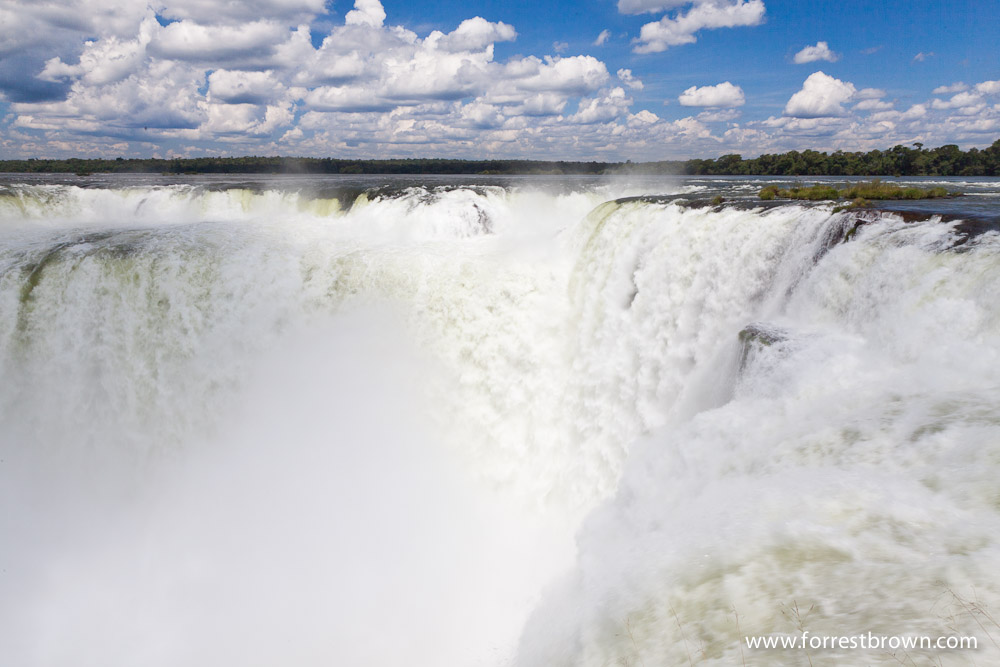
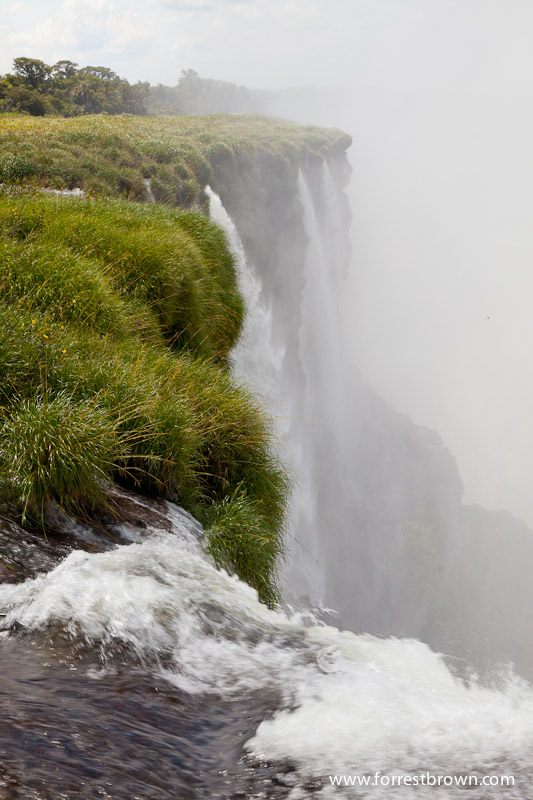
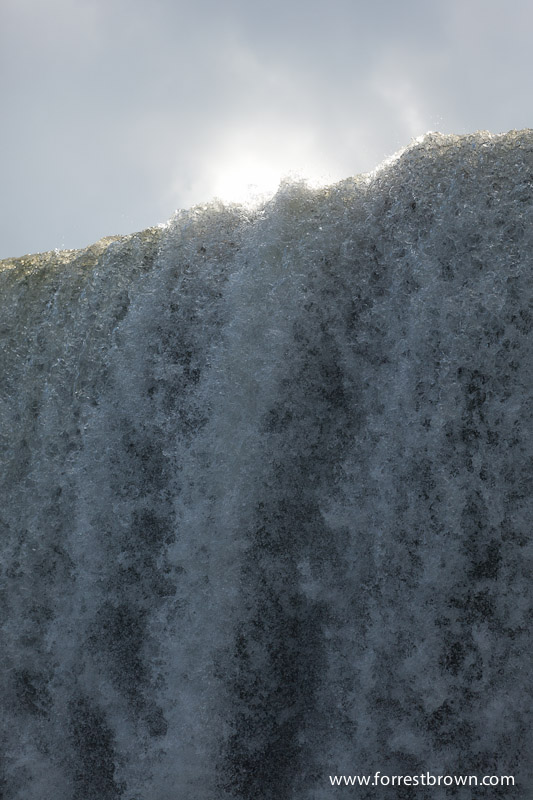
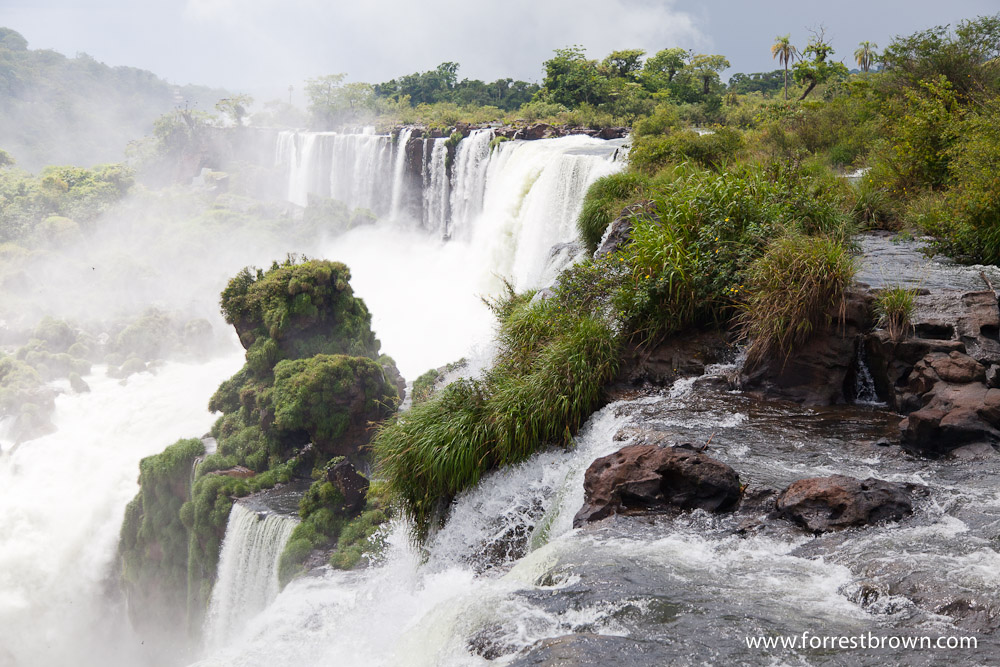
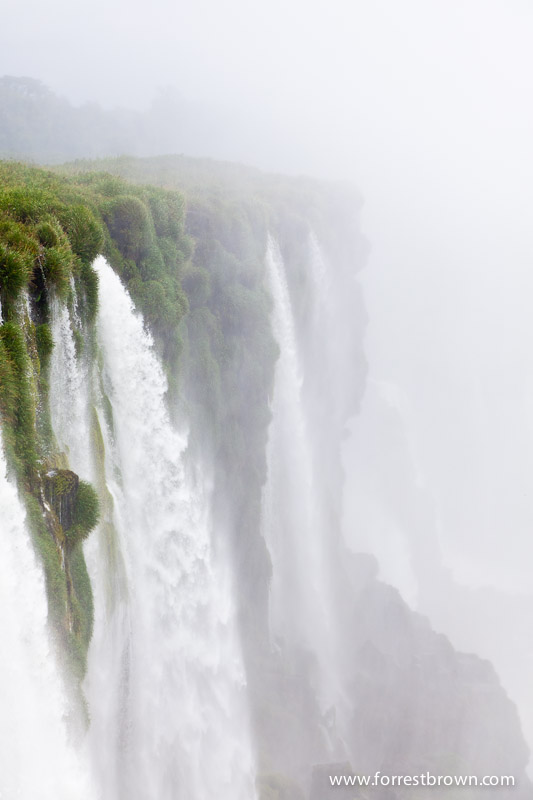
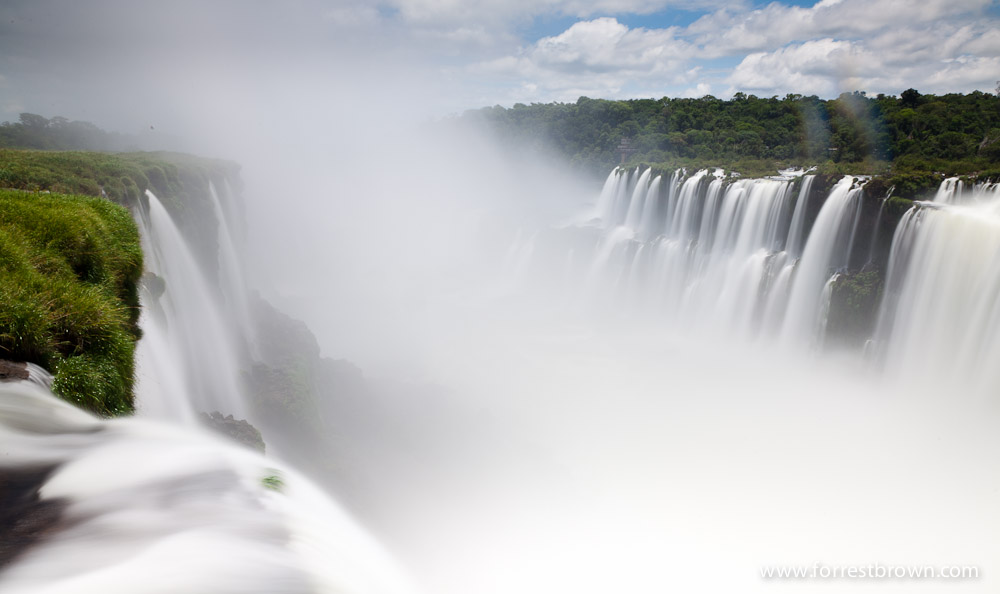
After spending the last two days in Buenos Aires it was time to head to the final location of my trip, Iguazu Falls. Located at the northern edge of Argentina, Iguazu Fall is actually a series of 275 waterfalls that stretch 1.4 miles across the Iguazu River that separates Argentina from Brazil.
Nov 23
Antarctica Aurora Expeditions, Nature Photography, Photo Workshop, Video, Wildlife No Comments
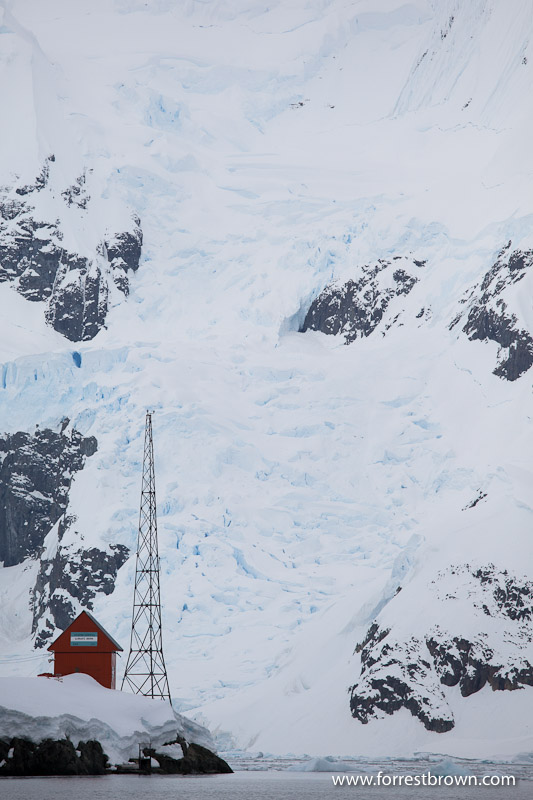
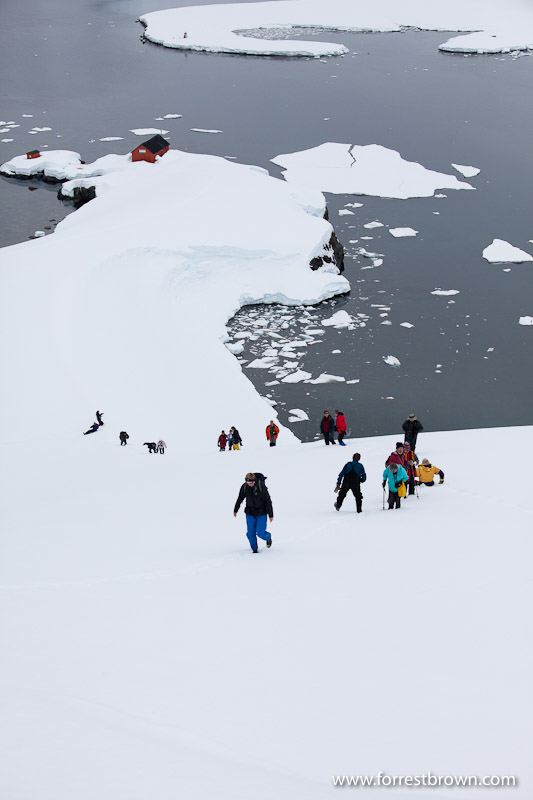
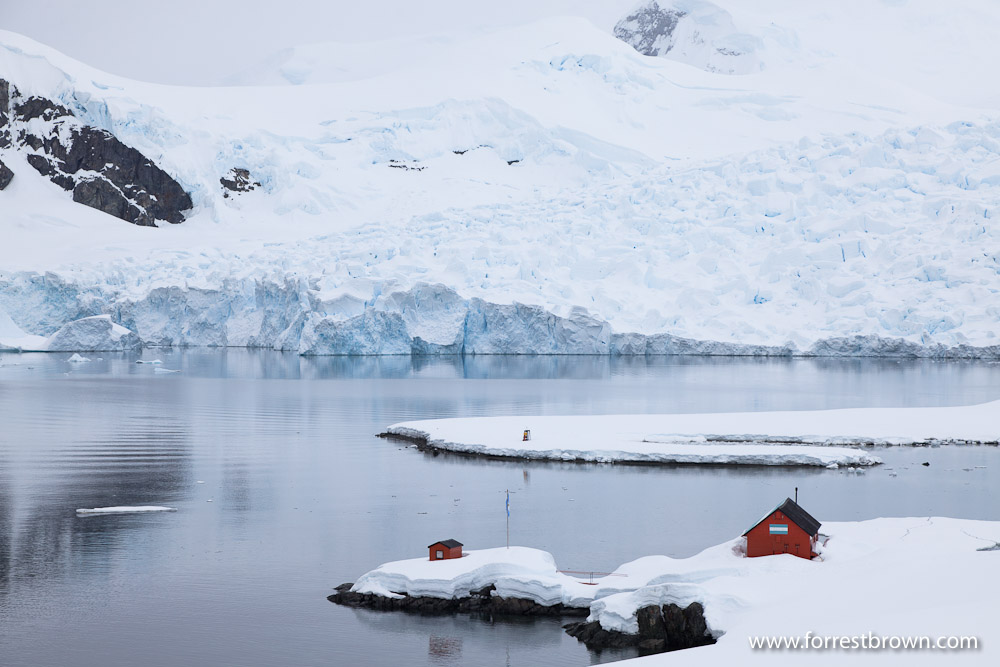
Today started in Paradise Bay with a shore landing at Almirante Brown Antarctic Base, an currently unoccupied Argentine research base. While on shore some of us hiked up the hill behind the base for a better look around. We then did a Zodiac cruise around the area.
Then it was back on board the Polar Pioneer for lunch and to head to our final location of the trip.
Time Lapse of the Polar Pioneer sailing through the pack ice
Our final stop was for a Zodic cruise around Melchior Islands.
Nov 22
Antarctica Aurora Expeditions, Nature Photography, Photo Workshop, Wildlife No Comments
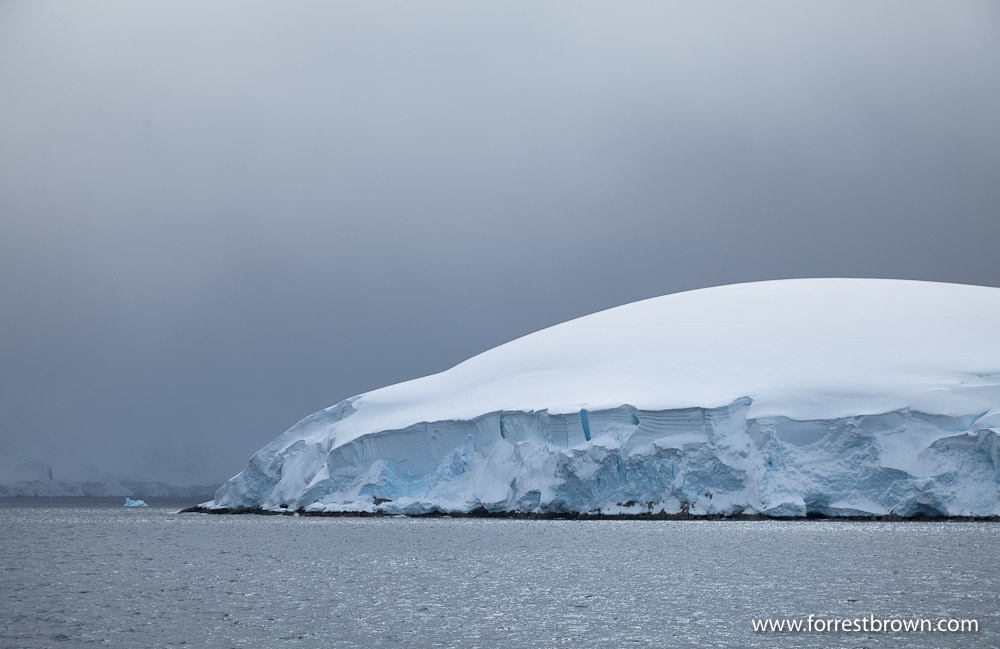
Because the Polar Pioneer was so far south, it meant that sunrise was at 3:30 in the morning. I wasn’t able to get up for the sunrise, but I was on deck by 4:30 to shoot the Antarctic landscapes as our ship moved past.
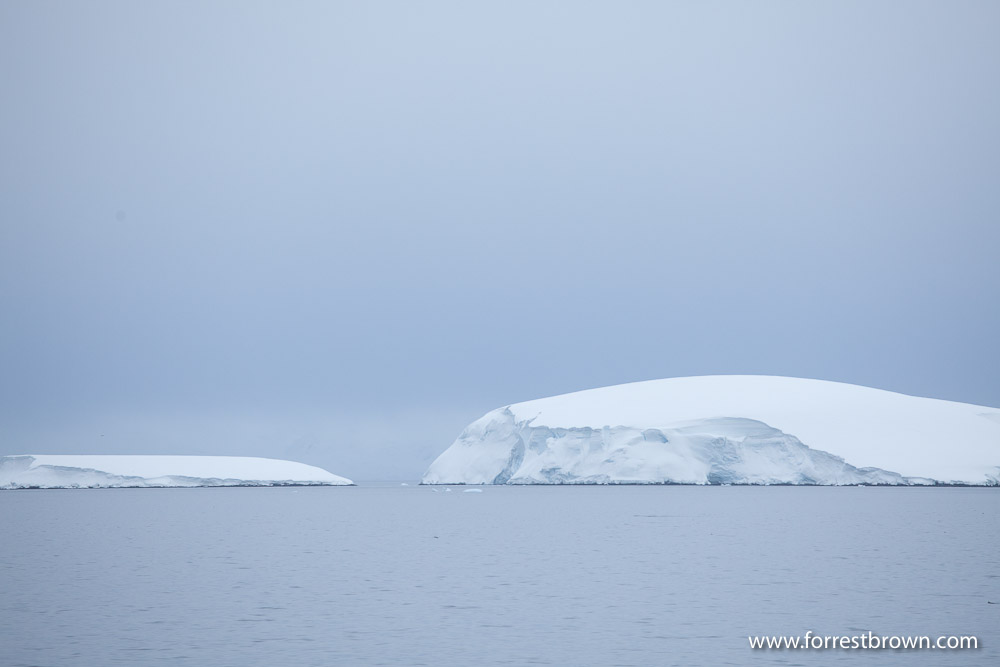
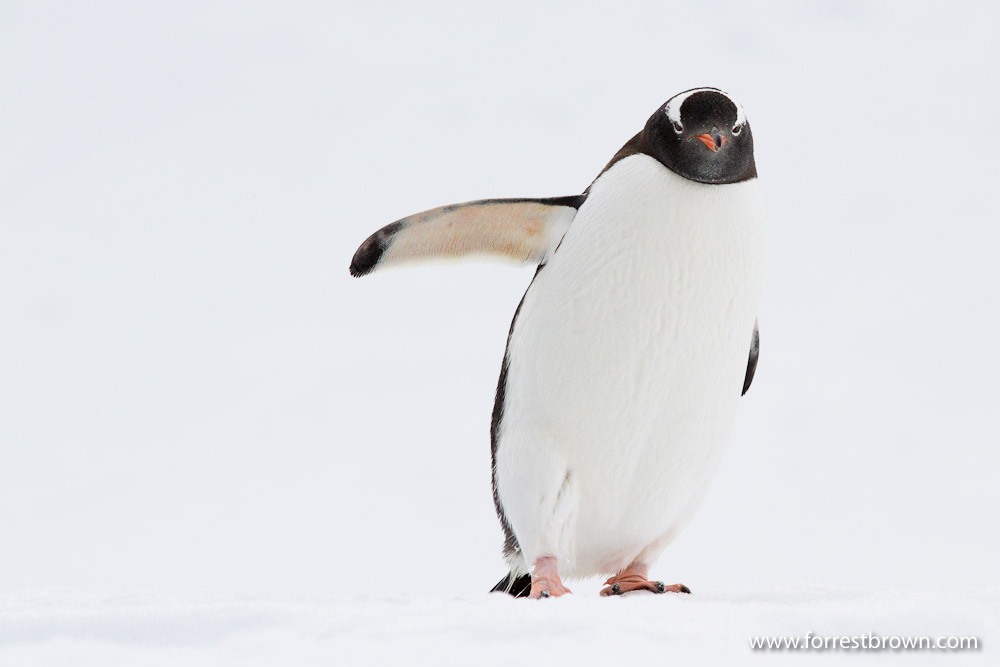
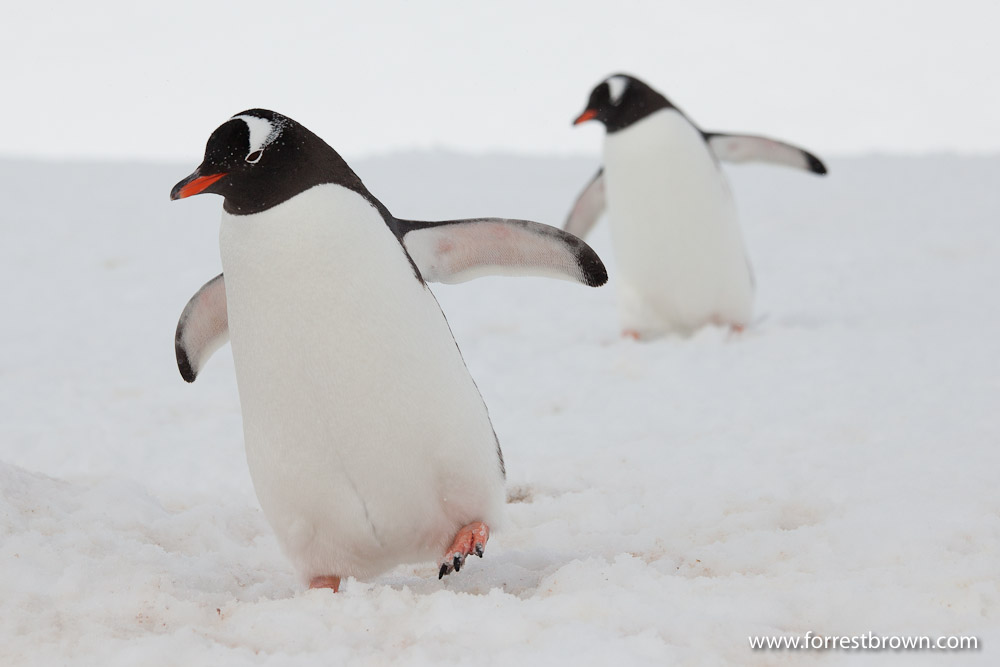
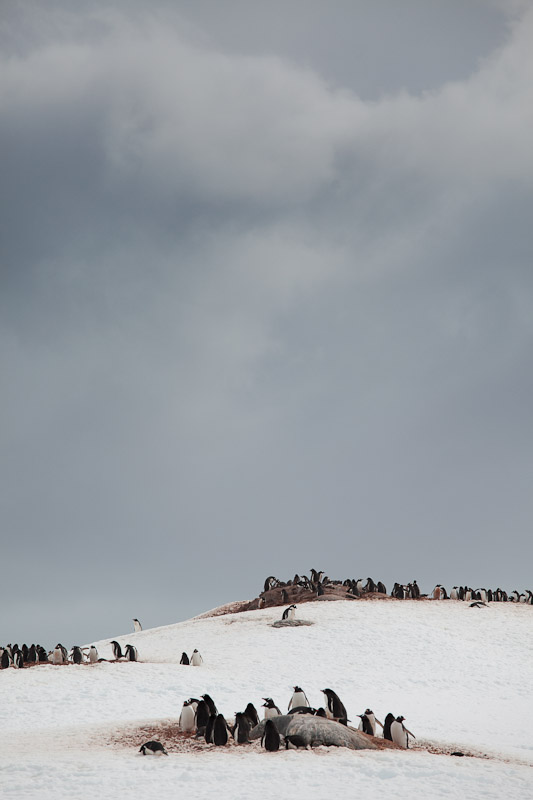
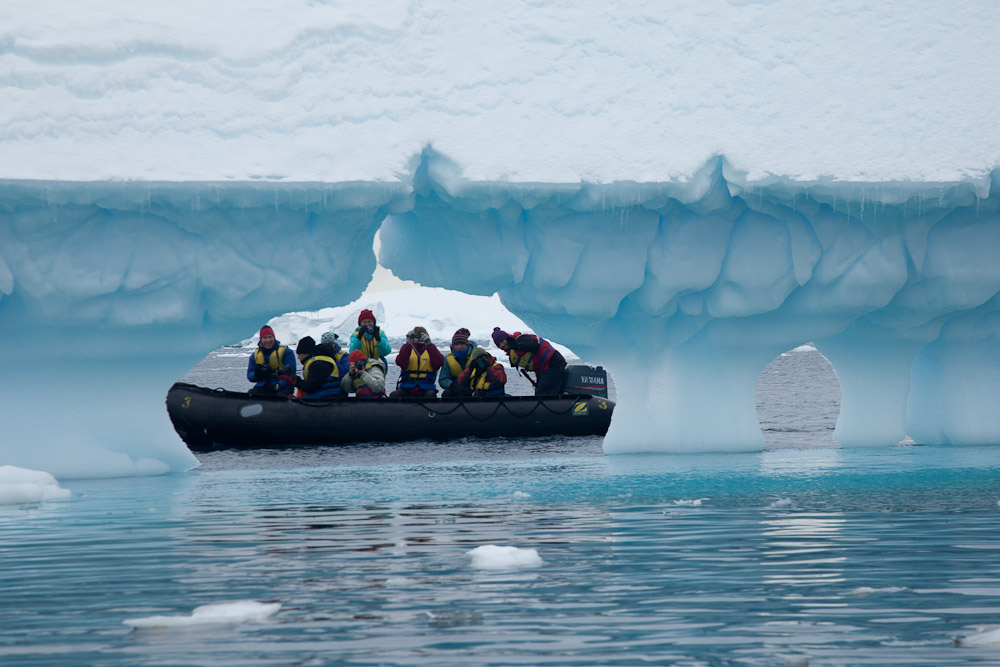
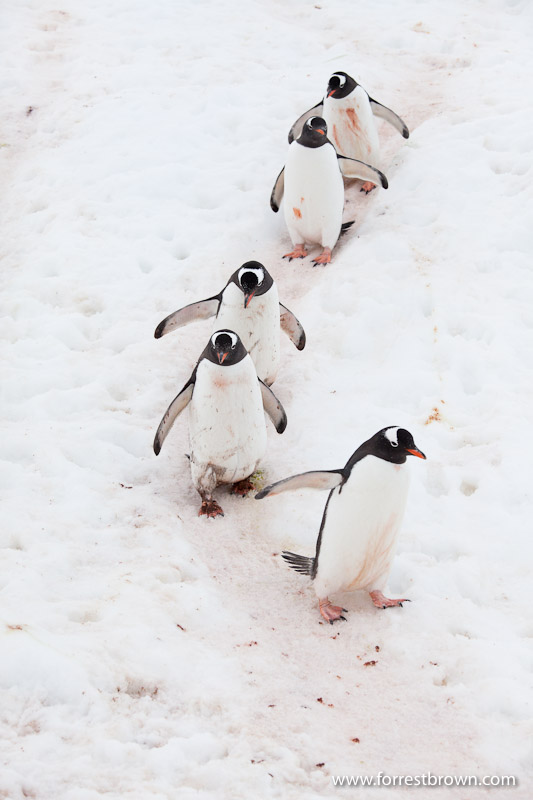
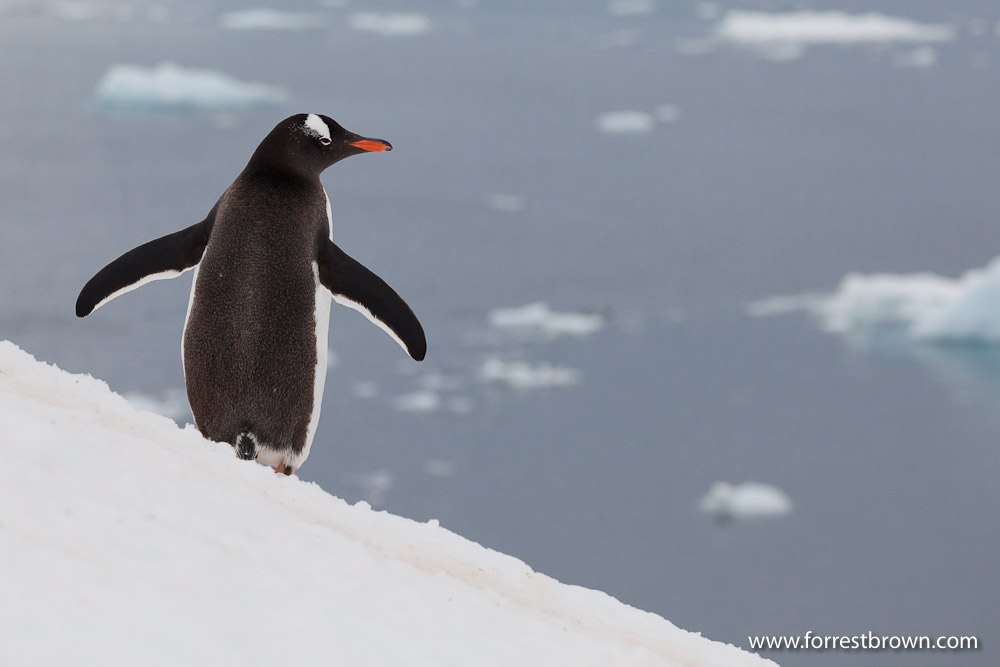
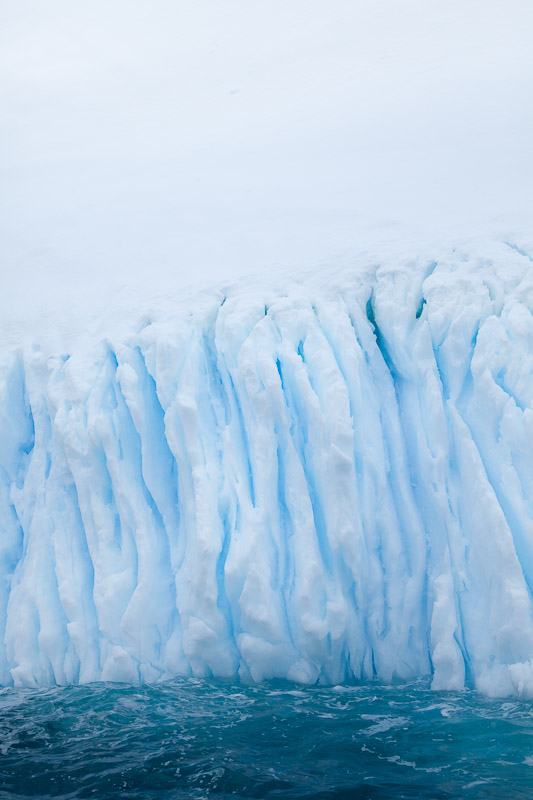
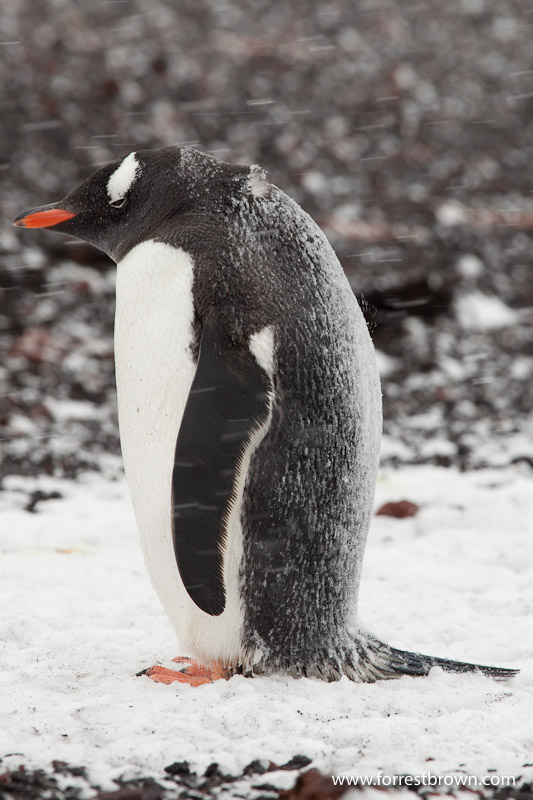
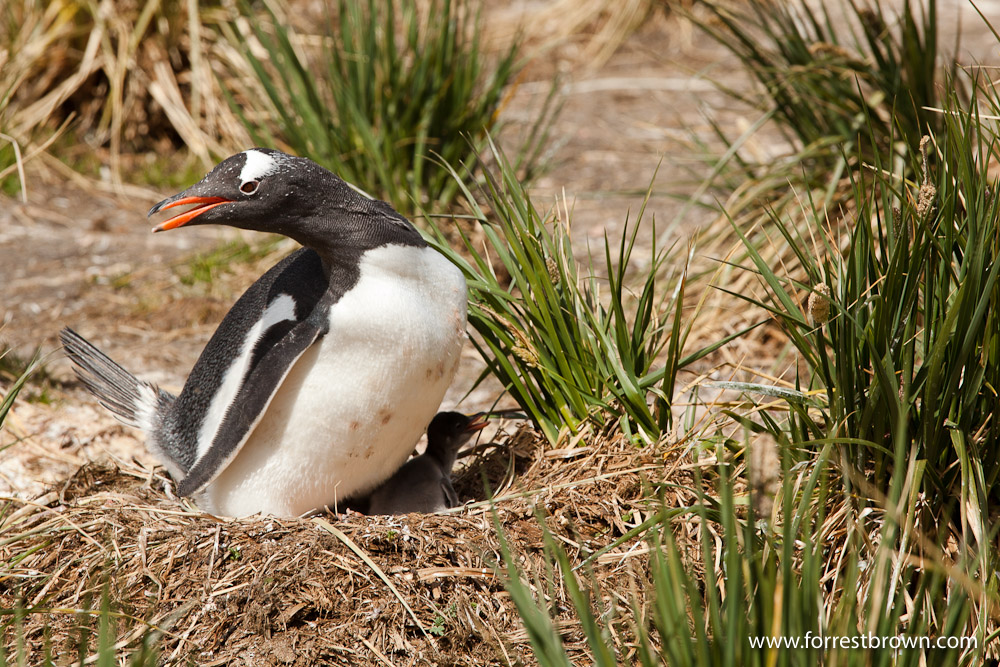
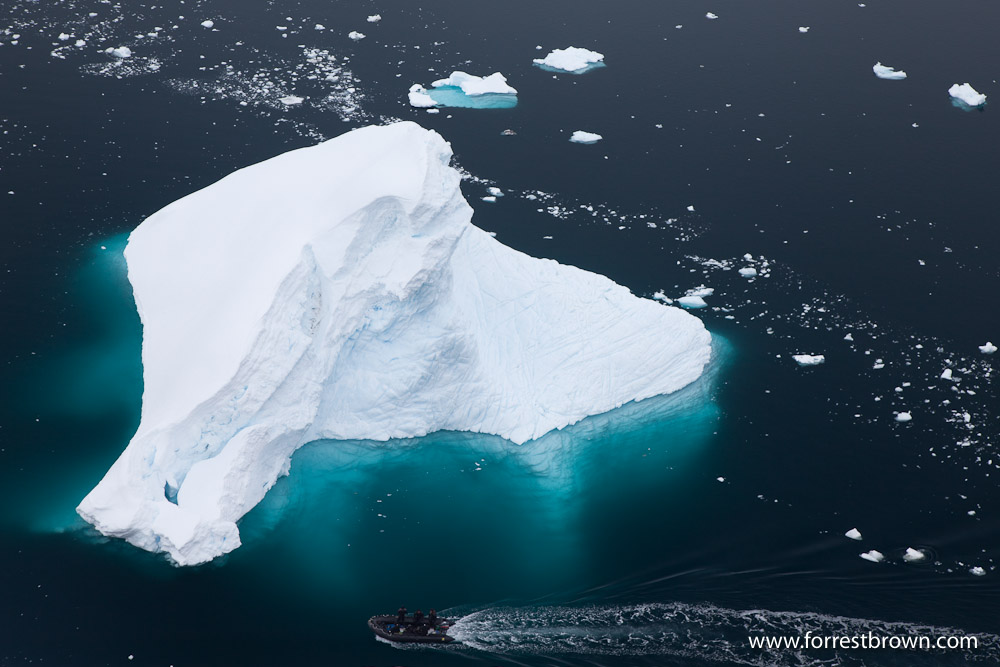
Our first stop for the day was at Curerville Island. The plan was to do a short Zodiac cruise around some of the icebergs in the area and then do a landing at a Gentoo Penguin colony. The short Zodiac cruise was so interesting that it turned into a much longer cruise as Dave weaved our Zodiac through the icebergs. Then after the Zodiac ride we stopped for a couple of hours at the Gentoo Penguin colony.
The second stop for the day was Port Lockroy, a former British Antarctic research base that has been turned into a historical site and museum. Port Lockroy also has several Gentoo Penguin colonies in the area.
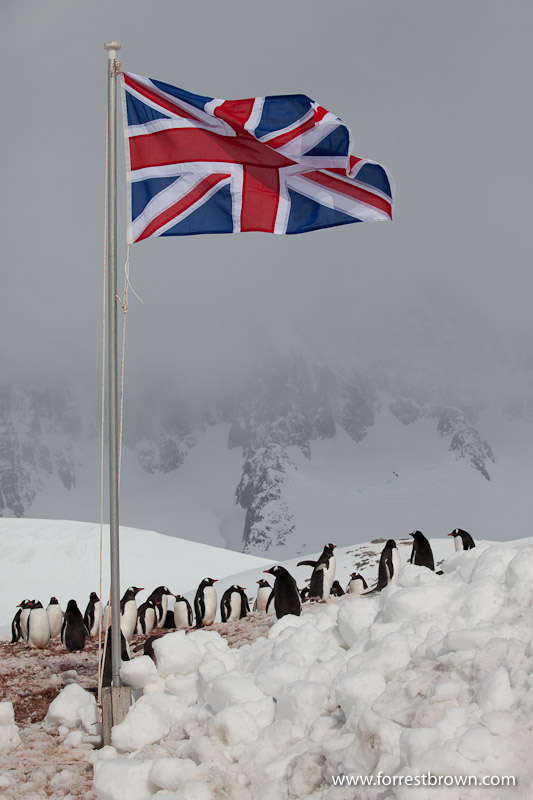
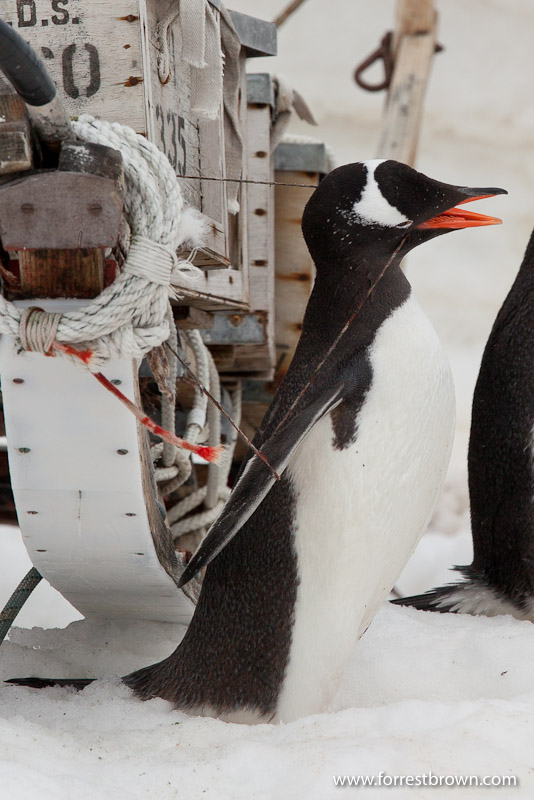
Earlier in the voyage on South Georgia, several of the Aurora staff had freed a fur seal from at piece of netting that had been tangled around it’s neck. It took four guys, a boat paddle and a knife to get the job done. At Port Lockroy I got to do my part to free a tangled animal and risked life and limb to rescue a penguin who had tangled himself in some string. Ok, it might not have be as dangerous as helping the fur seal, but I could have been poked with his beak or given a vicious head slap from his stumpy little wings.
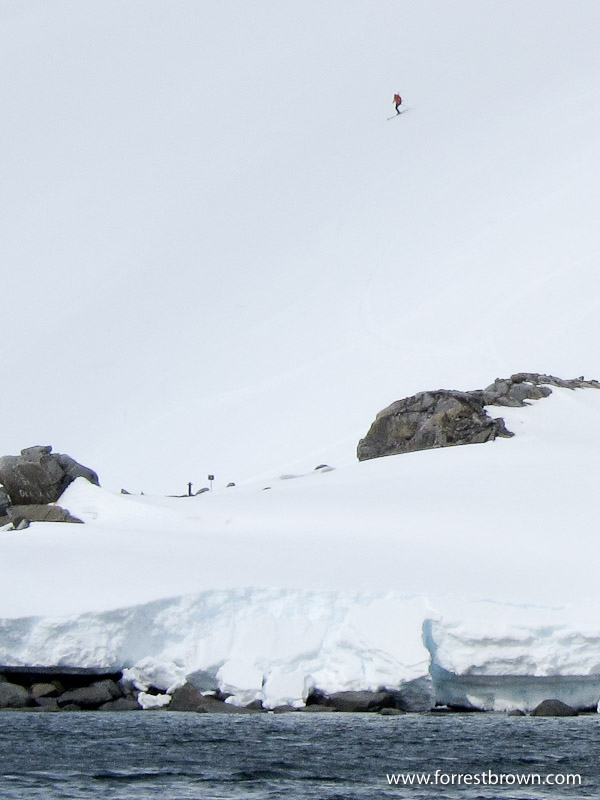
When I had told my friends that I was going to Antarctica, the first thing everyone wanted to know was if I was going there to ski. But no, I was going for the photography. When we were at Port Lockroy I looked up at the side of one of the mountains lining the bay and saw several people skiing down the mountain. Crap, I wish I had brought my skis.
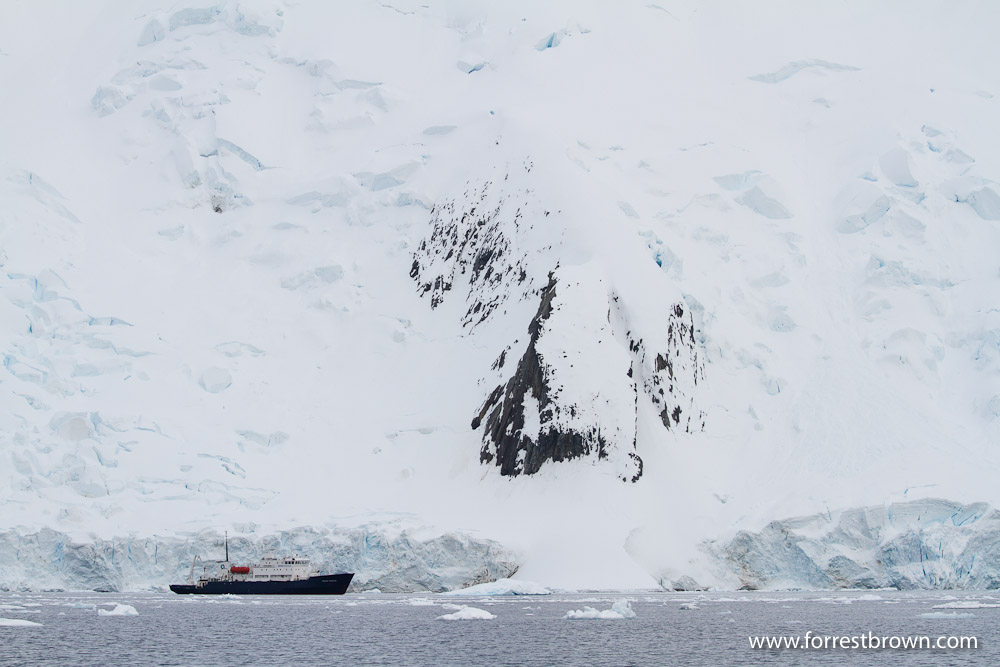
After leaving Port Lockroy the Polar Pioneer headed for our final location of the day by sailing down the Lemaire Channel. As our ship sailed toward the end of the channel we could see that the way looked blocked by a large area of pack ice and I thought that the ship might have to turn around. But the Polar Pioneer with it’s ice strengthened hull was able to plow right through.
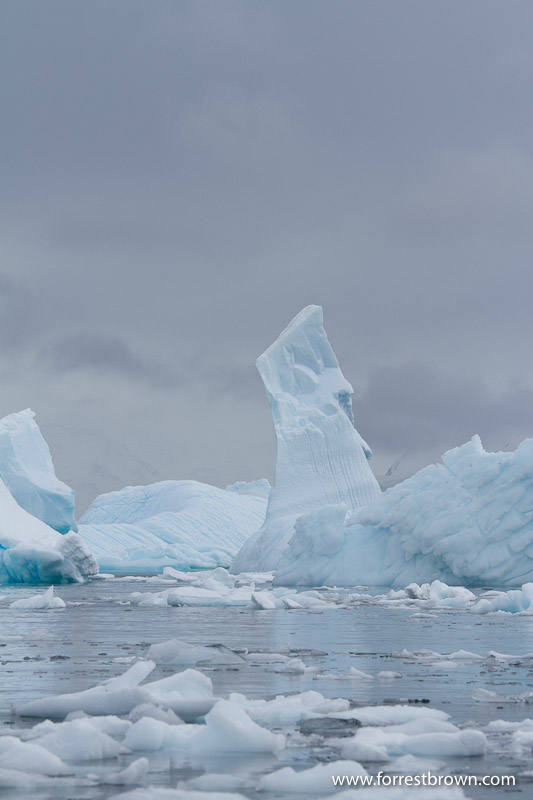
Or final location for the day, a Zodiac cruise around some massive icebergs at Pleneau Island.
The day ended with a barbecue and party on the rear deck of the ship. Because of the long Antarctic day, it was still somewhat light outside at midnight with I headed in to go to bed. This turned out to be my busiest day for taking photos with 2136, which really was not that many compared to a couple of the other photographers.
Nov 21
Antarctica Aurora Expeditions, Nature Photography, Photo Workshop, Wildlife No Comments
After lunch the Polar Pioneer finally reaches our first stop in Antarctica, Deception Island. The island is circular, about 7.5 miles across and formed from a volcano caldera where a section of the caldera edge is below the ocean surface allowing ships to carefully sail through the narrow opening called Neptune’s Bellows and into the actual caldera. The caldera forms a large bay that provides shelter from the worst of the antarctic weather. In the past, the Island was home to whaling stations and research bases.
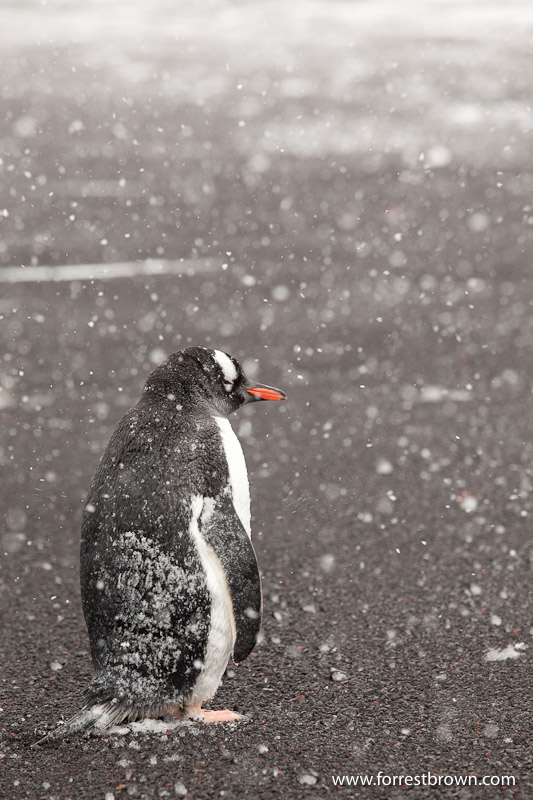
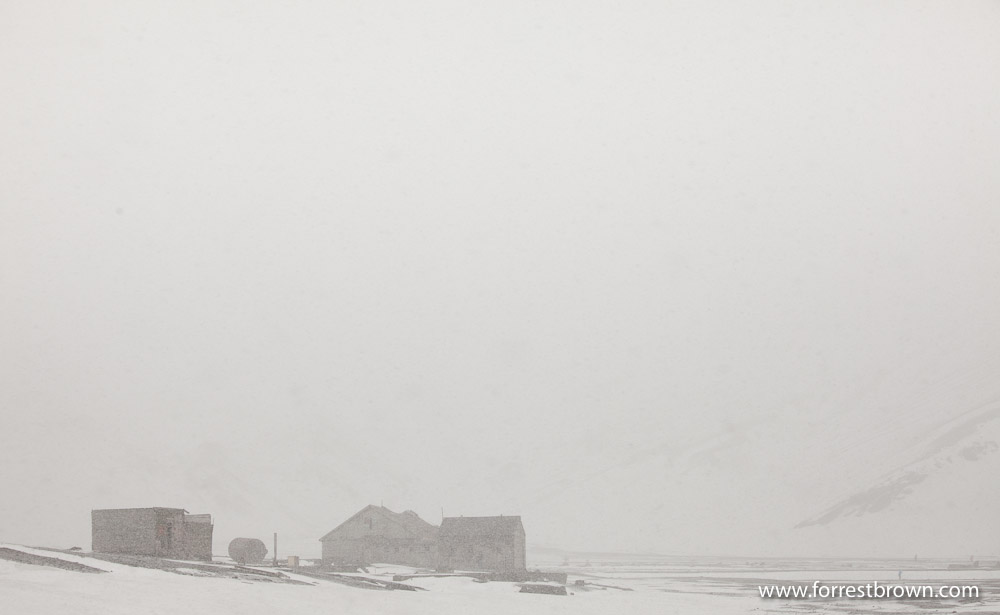
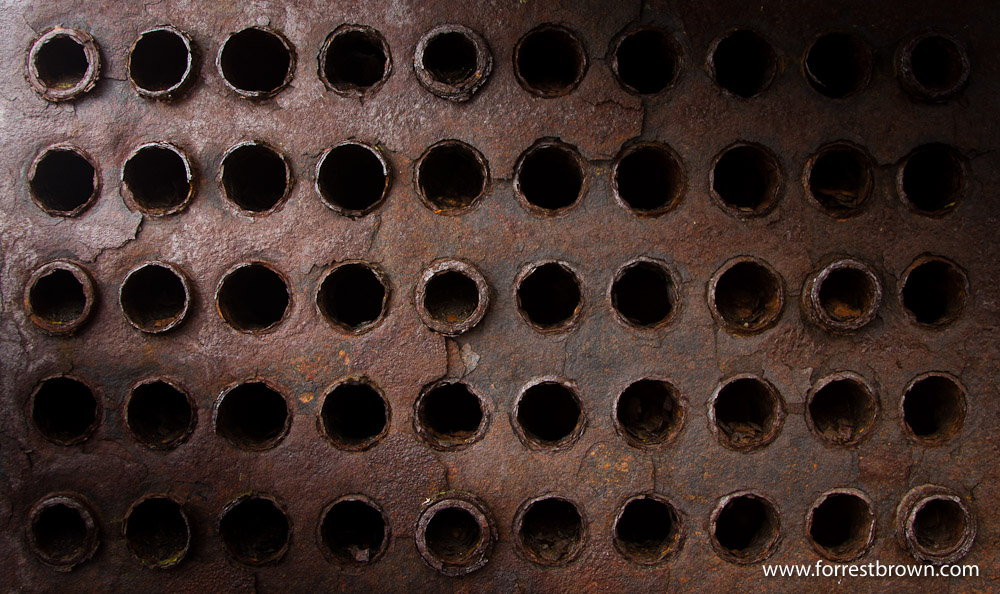
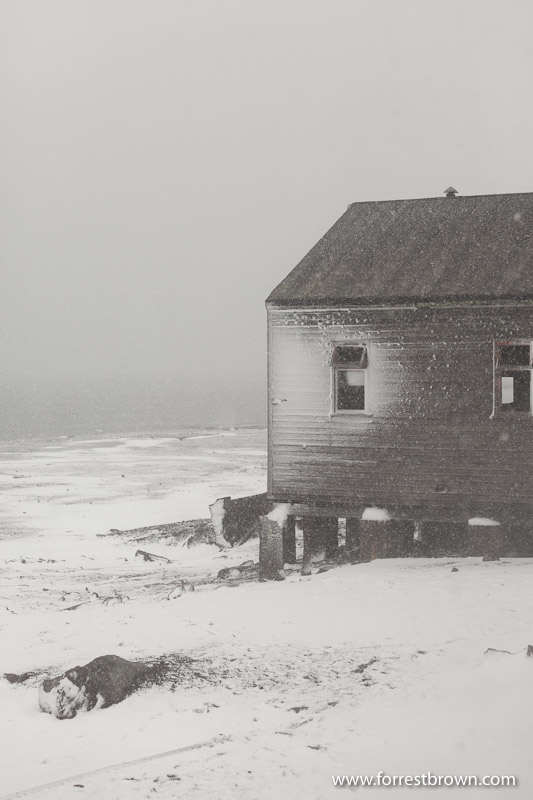
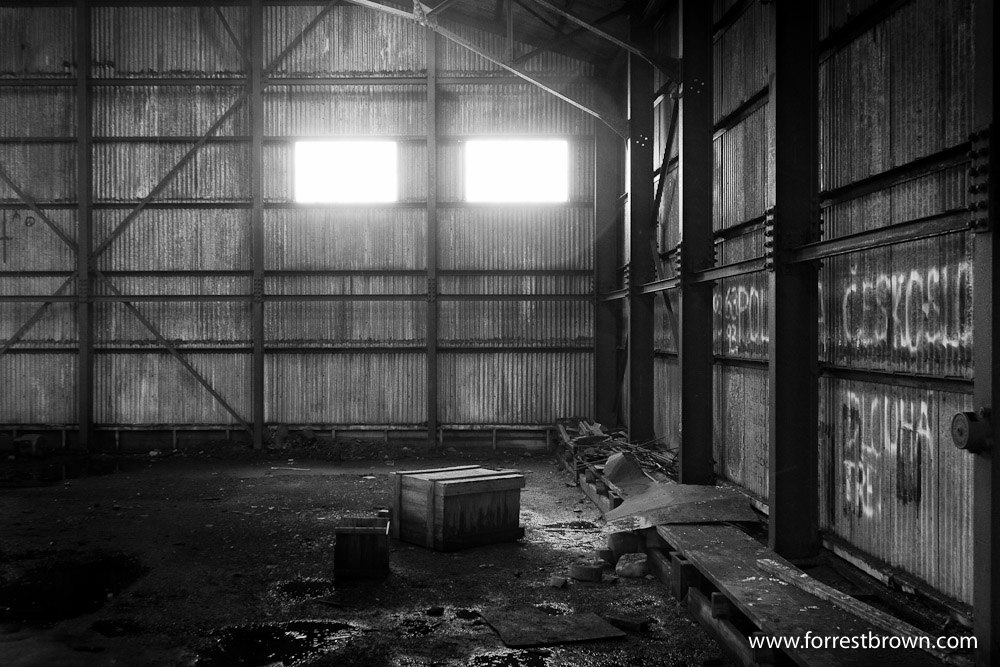
When we arrived at deception Island the weather was pretty nasty; strong wind, fog and wet blowing snow. But after over three days on the ship most people were ready to brave the elements and go ashore. We landed on a desolate black sand beach in Whalers Bay where the remains of an abandoned whaling station and research base were located. The base had been partially destroyed and buried by a mudflow in 1969. Once ashore, the weather was not super cold, but the sticky, wet blowing snow made things tough. The harsh weather along with the abandoned buildings, half buried rusting machinery and lack of vegetation gave everything an eerie post-apocalyptic feel.
Nov 20
Antarctica, At Sea Aurora Expeditions, Nature Photography, Photo Workshop, Wildlife No Comments
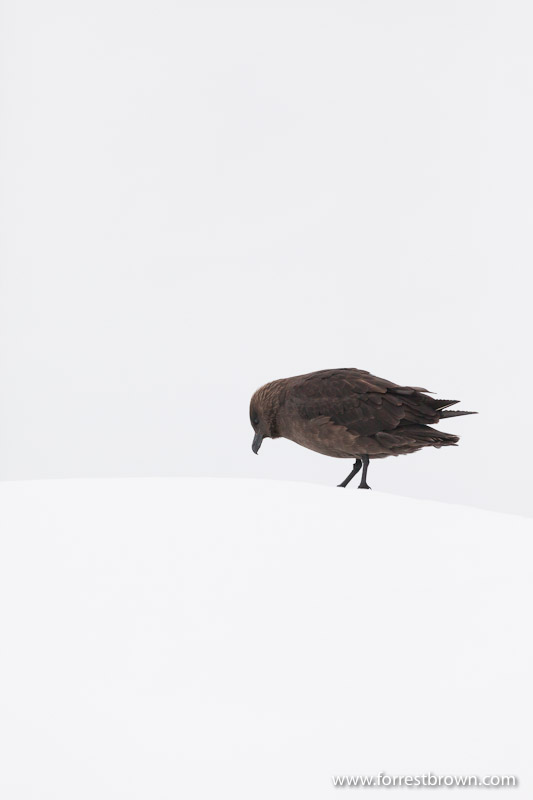
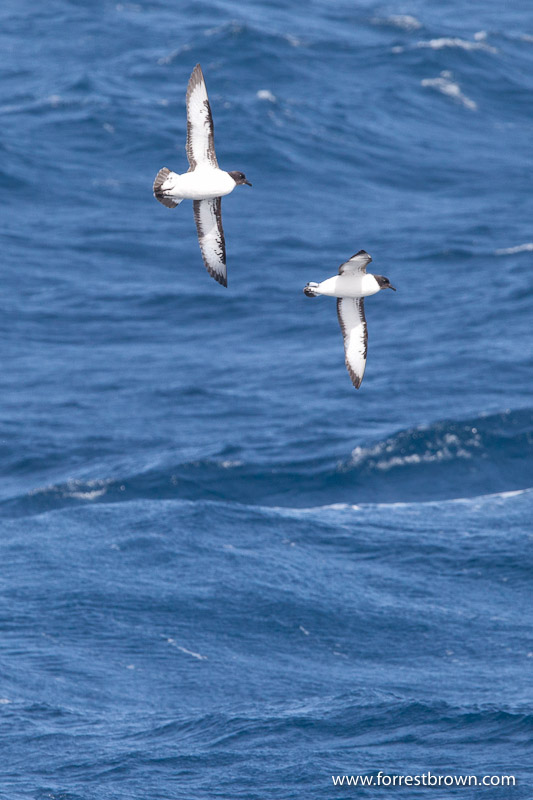
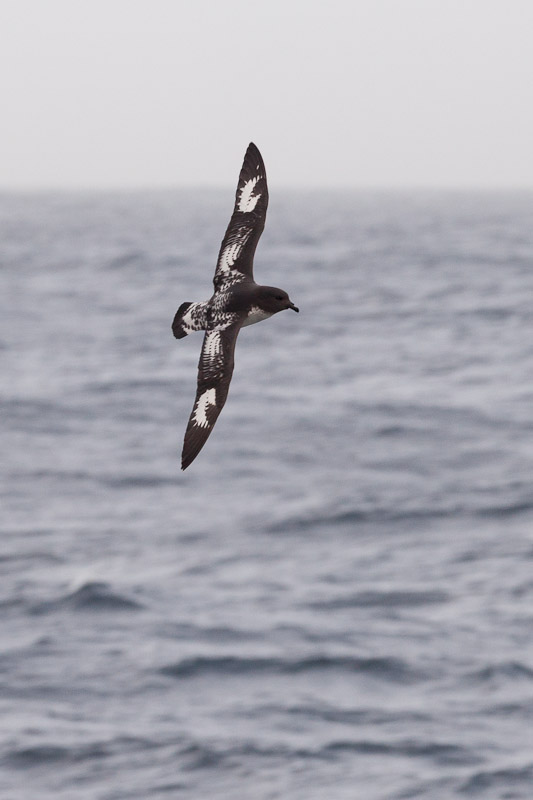
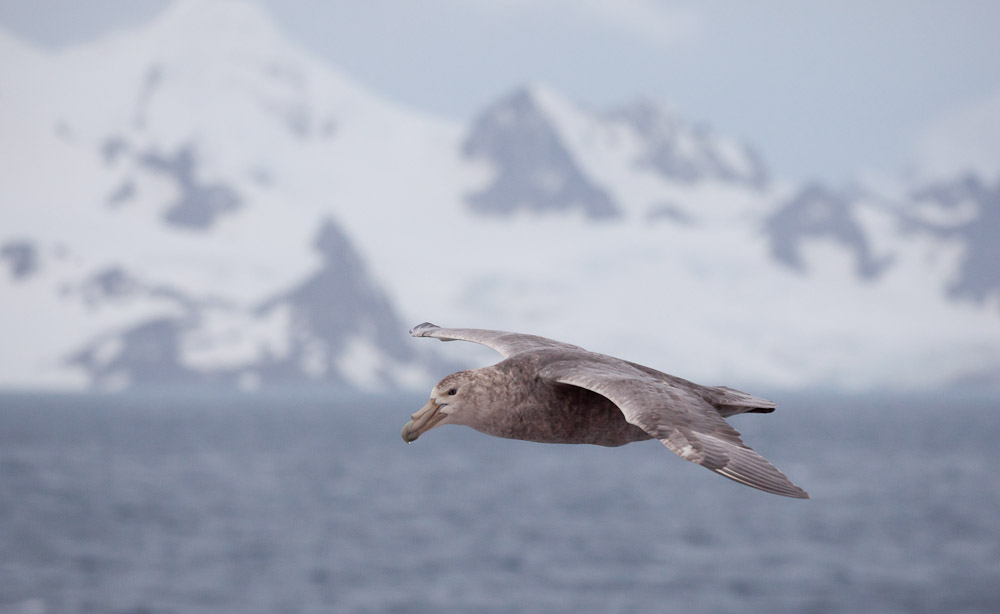
The third day at sea after leaving South Georgia. I’m still trying to sort out the thousands of photos I have taken so far on this trip, but I did spend some time on deck shooting some photos of the sea birds.
During dinner, after almost three days at sea and 779 miles we pass Elephant Island, our first sighting of Antarctica. Just a barren, rugged rock and ice.
Nov 17
British Overseas Territories Aurora Expeditions, Nature Photography, Photo Workshop, Wildlife 2 Comments
Or last day at South Georgia didn’t start off the best, our early morning Zodiac cruise had to be canceled because of high winds, but that did mean we got a little extra snooze time. And by the time the Polar Pioneer had sailed to the second location of the day, Gold Harbor, the weather had changed to the best weather of the trip.
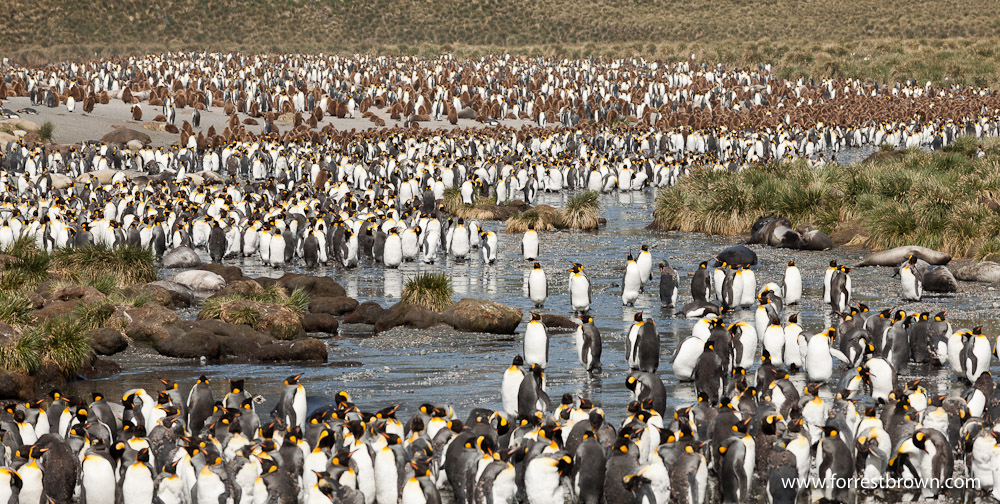
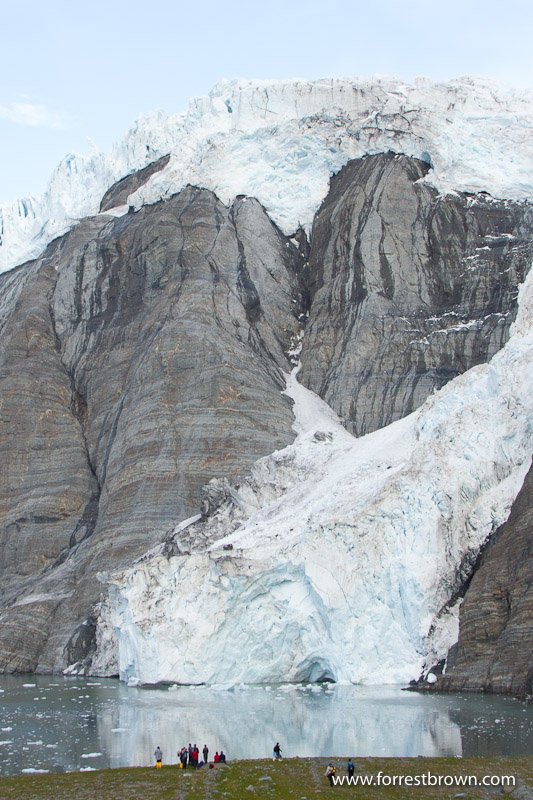
Gold Harbor had a large rocky beach filled with Elephant Seals looking for romance and some Fur Seals. Just inland of the beach were tens of thousands of the strange fuzzy brown juvenile King Penguins along with their more majestic looking parents. A short hike from the beach was the Bertrab hanging glacier that a group of us walked to for a closer view of the glacier. The view of the glacier was impressive and the glacier was making lots of creaking and cracking noises as the day warmed up, so we hoped to see the glacier calving, but luck wasn’t with us and we had to settle for just enjoying the view.

On the hike to the glacier we passed a Gentoo Penguen colony. Some of the gentoos were setting on eggs and a few already have hatched.
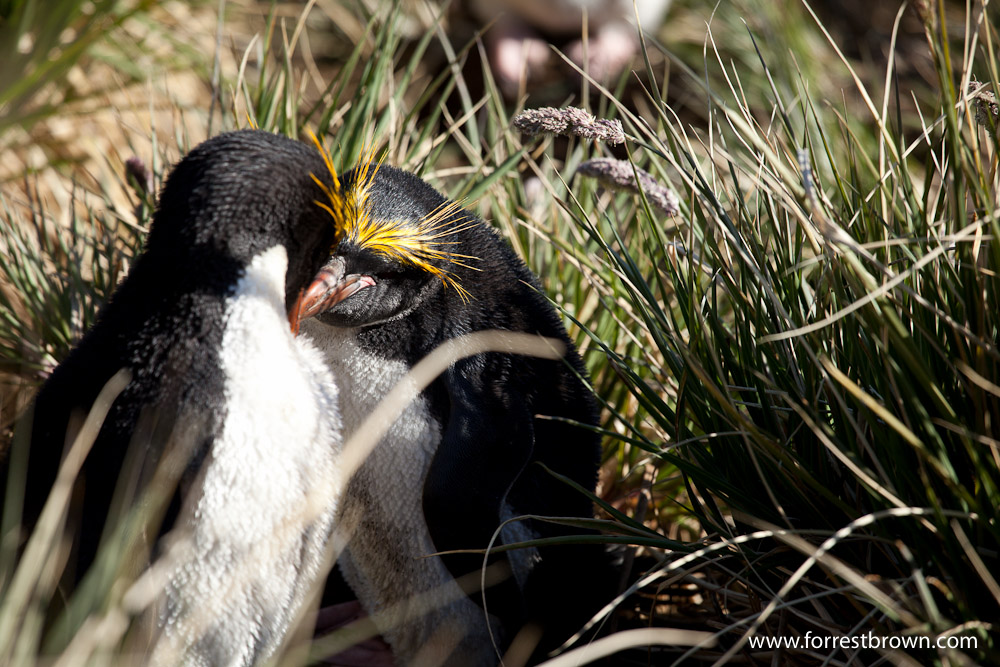
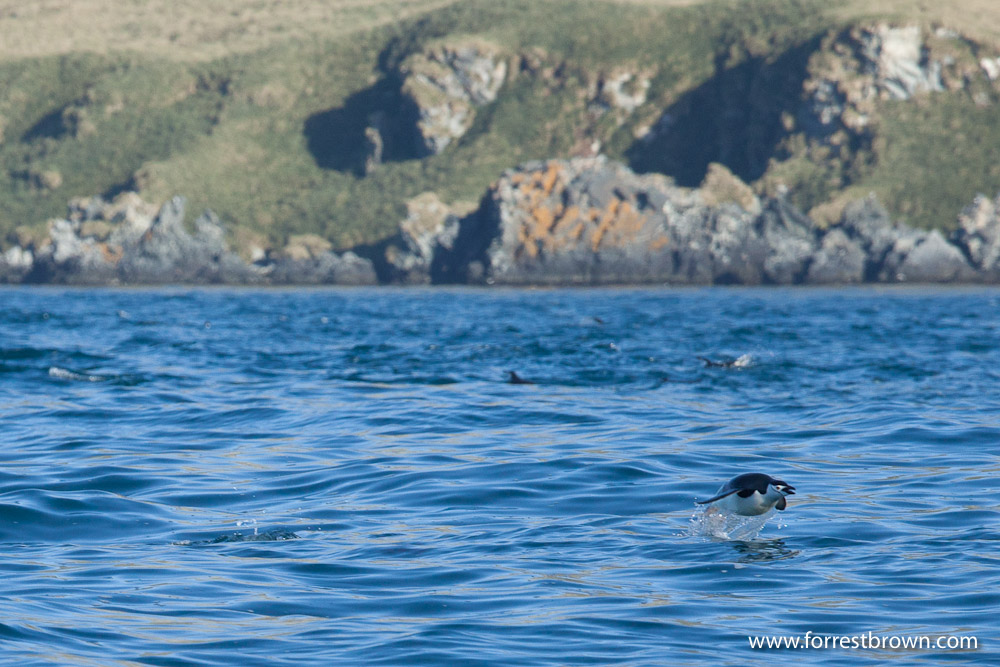
After we returned to the Polar Pioneer for Lunch the ship sailed to Cooper Bay so that we could make a quick landing on shore to see a colony of Macaroni Penguins. That was followed by a short Zodiac cruise around the area.

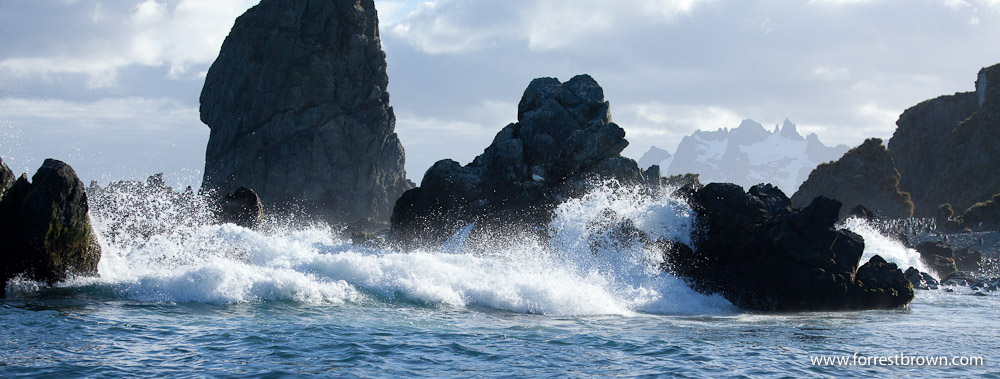
I told the pilot of our Zodiac that I was pretty sure we could make it through the rocks if he timed it right, but I couldn't get him to go for it.
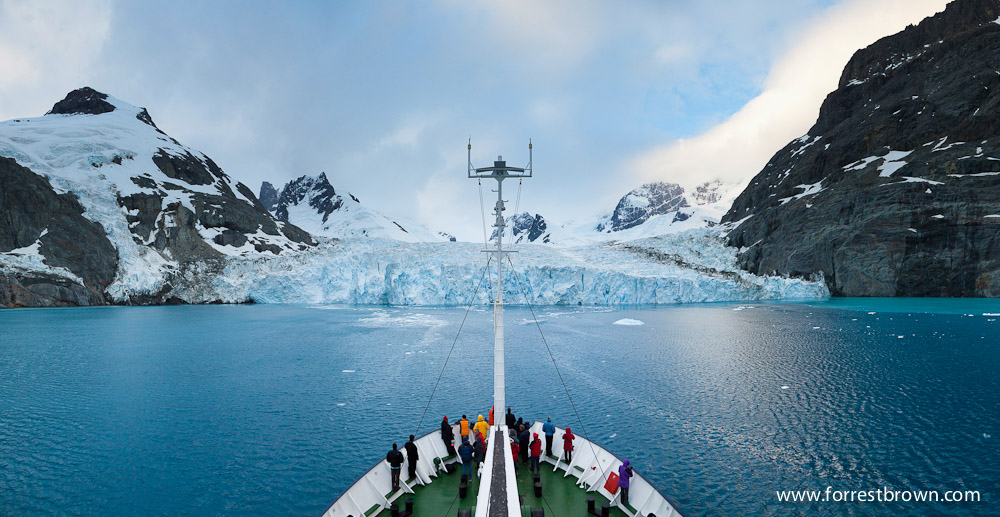
The last location for the day was sailing the Polar Pioneer down the Drygalski Fjord. The fjord was lined with towering cliffs and glaciers.
Nov 14
British Overseas Territories Aurora Expeditions, Nature Photography, Photo Workshop, Video, Wildlife No Comments
After two and half days at sea the Polar Pioneer has reached South Georgia. South Georgia is a remote collection of sub-antarctic islands made up of the main South Georgia Island surrounded by many smaller islands that are located about 1335 miles East of South America. The islands are uninhabited except for a small group of British government officers, administration and researchers.
What makes the South Georgia Islands interesting is the rugged landscapes, huge glaciers and large amounts of bird and marine wildlife.
Our first stop at South Georgia was Elsehul (Norwegian for Else Cove). After breakfast we boarded the Zodiacs for several hours of cruising around the cove take photos of the impressive landscapes and wildlife.
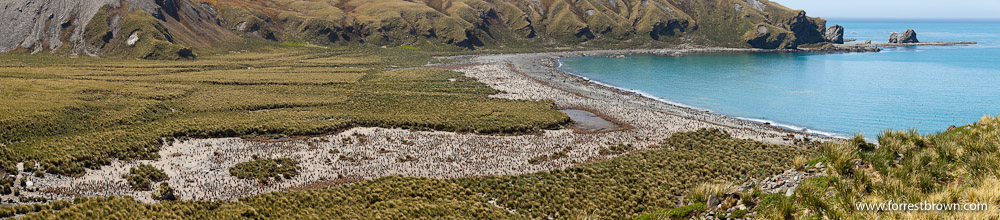
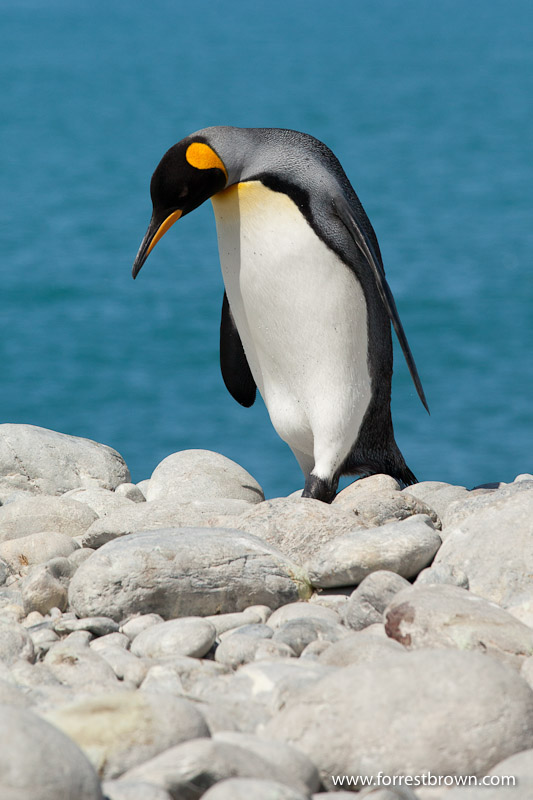
We returned to the Polar Pioneer for lunch and so that the ship could move to our second location for the day, Right Whale Bay. At this location we went ashore at Binder Beach and we able to spend several hours photographing a large colony of King Penguins along with Elephant Seals and Fur Seals.
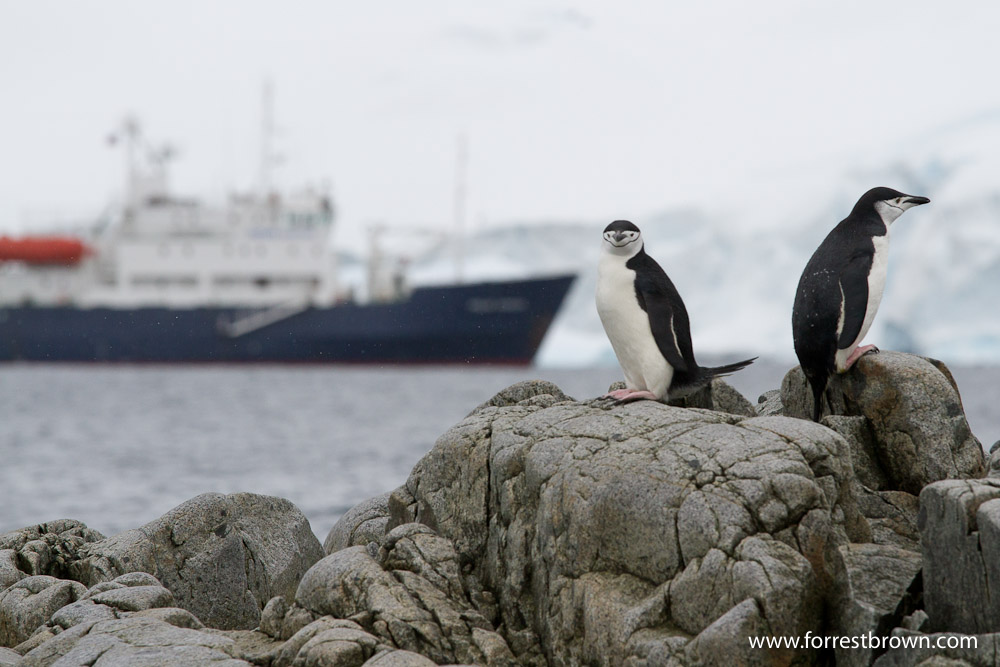
The King Penguins were curious about the strange new objects that had shown up on their beach
As we were ashore the weather started to turn for the worse with howling winds and snow, so as amazing as it was, it was good to return to the warmth of the ship at the end of the day.